As part of the ICA 2026 Global Conference and General Assemblies in Panama, cooperators gathered for breakout workshops exploring the three elements of the ICA 2026–2030 Strategy: Practice, Promote, Protect.
The cooperative movement stands at a pivotal moment. We have the stories, the impact, and the collective voice, but how do we turn visibility into real influence? In the Promote breakout session entitled Building Bridges Through Communication and Advocacy: From Visibility to Influence, communicators, advocates, and cooperative leaders took part in a dynamic session to equip delegates with the tools to amplify cooperative narrative, shape policies, and drive systemic change.
During the session, ICA Communications Director, Leire Luego, and Communications Committee Chair, Iñigo Albizuri, launched the ICA Communications Strategy 2026 - 2030 (Speak Up, Scale Up), which is centred around five pillars:
- From Alternative to Systemic Economic Actor — repositioning cooperatives as a credible business ecosystem, not a niche alternative;
- Institutional Autonomy & Credibility — remaining close to the movement everywhere, tied to no government anywhere;
- Winning the Cultural & Digital Space — human stories, emotional resonance, digital amplification;
- Democratic Governance in the Digital Economy — cooperative approaches to AI, data and digital infrastructure
- Core Narrative — "Cooperatives build a better world"
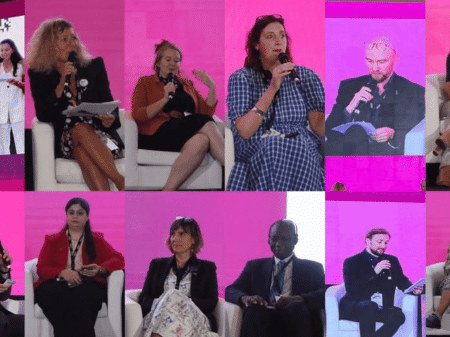
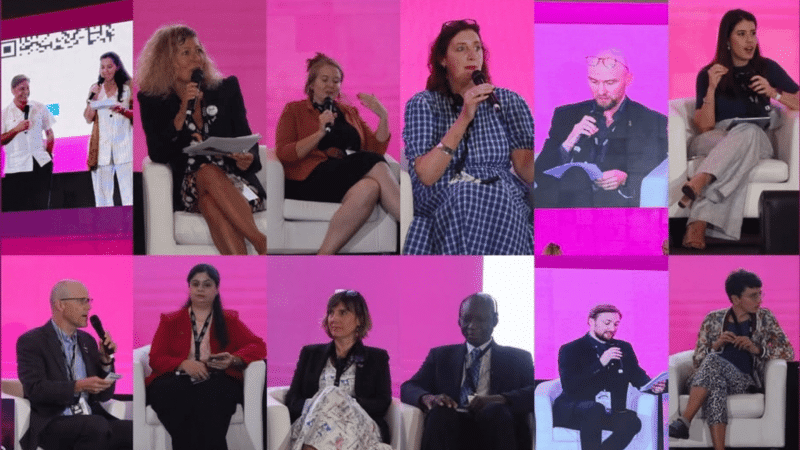
This was followed by a panel, moderated by Rebecca Harvey, Executive Editor of Co-operative News, during which seven communications professionals from different ICA regions and sectors shared examples of how the strategy is being implemented.
Shivali Sarna (ICA Asia-Pacific), María José Elizondo (Cooperatives of the Americas), Francesca Zaganelli (CICOPA), José Pérez (International Health Cooperative Organisation), Andreea Nacu (Co-operative Housing International), Della Lynn Waweru (ICA Africa) and Pieter Jan Herman (Cooperatives Europe) spoke about using digital as a tool to promote co-op values and principles (pillar 4), encouraging organsiations of all sizes to shout about their cooperative identuty (pillar 1) and using stories to amplify cooperation (pillar 3) – with the session ending with a call from Sarna, to all cooperative communicators to use the strategy in their communications plans.
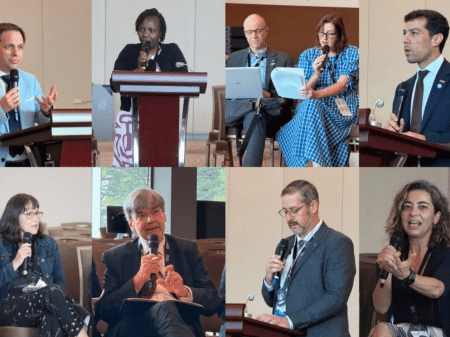
A panel moderated by DotCoop Community Development Manager, Tom Ivey, heard four communication success stories. Rose Marley, CEO of Cooperatives UK, shared how the UK's new Prime Minister, Andy Burnham, is supported by the country's Co-op Party, with the wider movement hoping his vocal support for co-operation will lead to tangible action. Fabiola Motta, Superintendent of the Organization of Brazilian Cooperatives (Sistema OCB), described how her organisation has been raising the cohesive brand visibility of cooperatives in Brazil.
Zhang Xiaohong of the of the All-China Federation of Supply and Marketing Cooperatives (ACFSMC) shared the success story of the recent Youth Cooperative Summit held in China and Godfrey Ng'urah, Managing Director and CEO of the Co-operative Bank of Tanzania discussed his organisation's activities in developing digital awareness of cooperatives
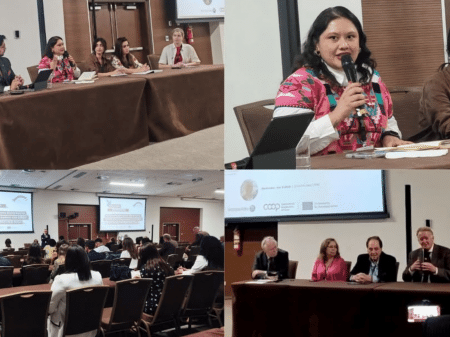
But while “Visibility is important, it is only the beginning”. A session moderated by ICA Policy Director Joseph Njuguna, highlighted the importance of documenting and communicating the economic, social and environmental impact of cooperatives in order to influence policies, shape regional agendas, and engage in multilateral processes. Delegates were encouraged to use the newly launched ICA–COPAC SDG Report, which documents cooperative contributions across all 17 Sustainable Development Goals, as a model for demonstrating their impact at national and global levels.
Aude Saldana, Secretary General of GSEF, presented the GSEF Declaration on Lasting Peace, while a panel discussion brought together perspectives from the cooperative movement, the ILO, the UN and wider multilateral processes. Thomas Blondeel, Chair of ICETT, presented the Cooperative Benefits Report, which documents the value and impact created by cooperatives across economic, social and environmental dimensions, while Maaret Cañedo Lohikoski of the ILO highlighted policy tools, including ILO Recommendation No. 193 on promotion of cooperatives, that cooperatives can use to strengthen their engagement with governments and institutions.
Andrew Allimadi of UNDESA encouraged cooperatives to participate actively in UN processes, including the Commission for Social Development, the High-level Political Forum, and Voluntary National Reviews – and encouraged cooperatives to engage in the upcoming SDG Summit that will be held in September 2027. Looking beyond the UN, Doug O’Brien, President of NCBA CLUSA, highlighted opportunities for greater cooperative engagement in the G20 and other multilateral policy processes. He stressed the importance of consistent engagement and participation and of building long-term relationships with governments and other stakeholders to strengthen the cooperative voice in these forums.
Adalgisa Pires, Master of Ceremonies of the Global Conference, concluded the session with a clear call to action: cooperatives need to document their impact, communicate their contribution and turn visibility into sustained advocacy. By building evidence, strengthening partnerships and engaging consistently in policy processes, cooperatives can move beyond being recognised for the contribution they make to having a stronger voice in the decisions that shape sustainable development, peace and inclusive economies.
These breakout sessions were organised under the ICA-EU Partnership (2024-2028), also known as #coops4dev🌍, a five-year international cooperative development programme that aims to strengthen the ICA network and position cooperatives as key development actors within the European Union Development Agenda.
Read more about the PRACTICE breakout session